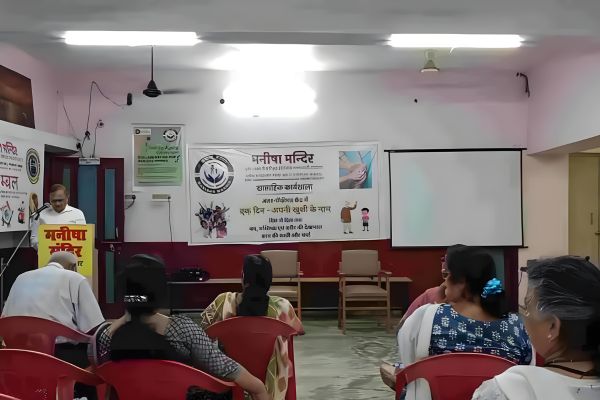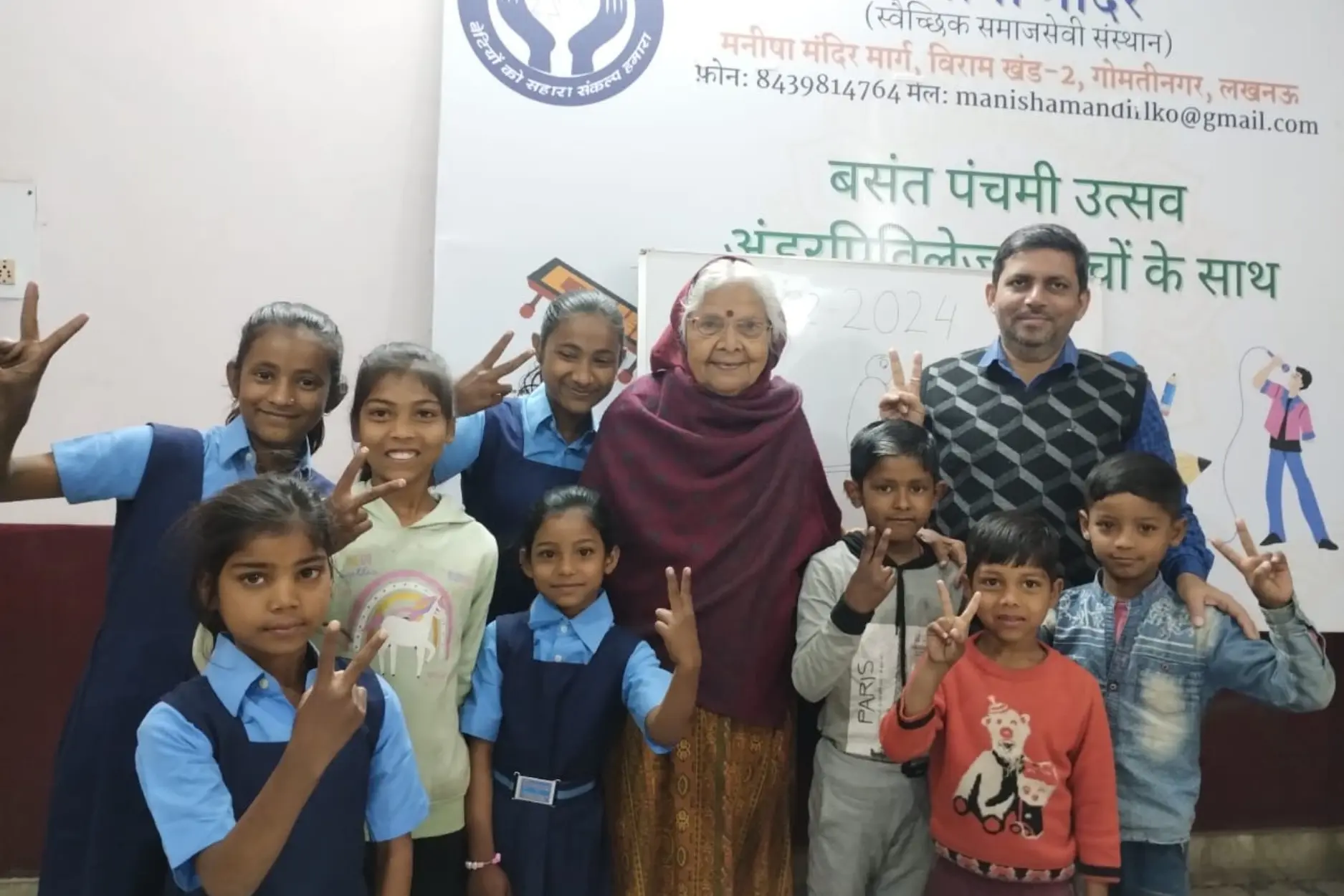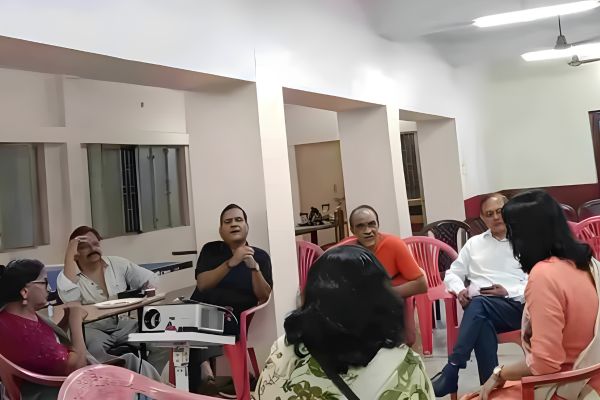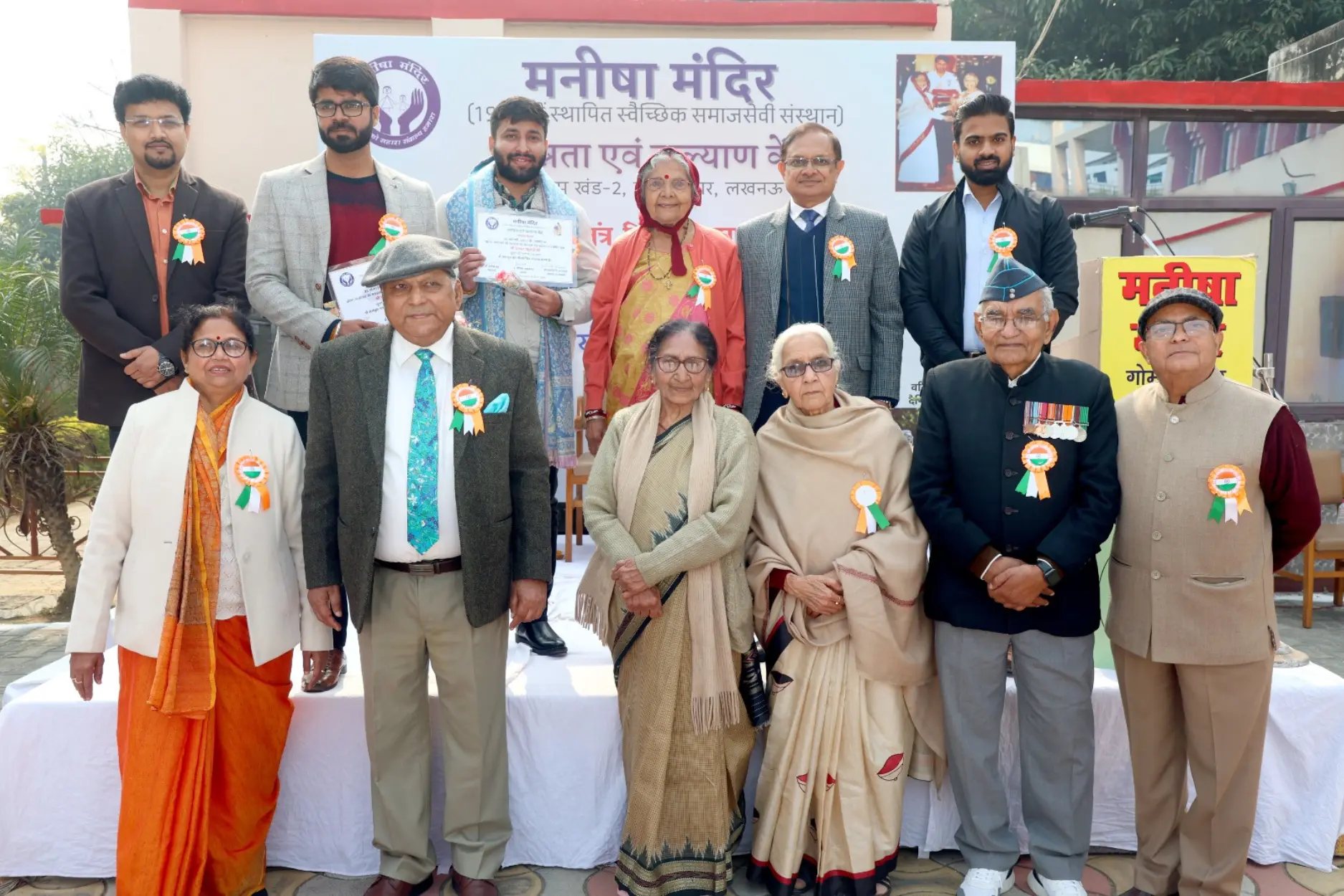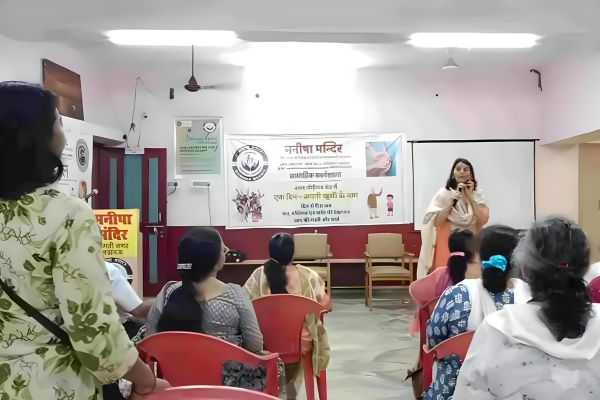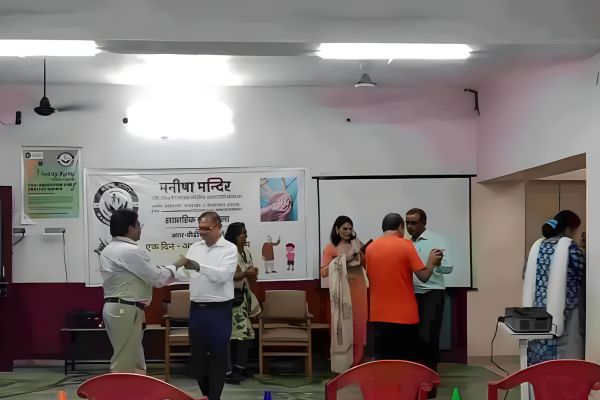
Sensitization programs help spread awareness about disability issues.
Community outreach encourages acceptance and inclusion.
These efforts reduce stigma and support equal participation.
Differently-Abled & Special Children in India
Under Social Support Services
Differently-abled and special children in India face major gaps in education, healthcare, and employment. Social stigma, low awareness, and poor infrastructure make support services even more critical.
Specific Gaps
Education
Low Enrollment and Completion Rates
Many children with disabilities, especially with autism or cerebral palsy, are not enrolled in schools.
A large number of those enrolled do not complete education.
Inclusive Education Challenges
- Inclusive education policies exist, but weak on ground.
- Implementation challenges in real practice.
- Lack of trained & skilled teachers.
- Inadequate learning resources & support.
- Inaccessible school infrastructure.
Specific Disability Categories
Children with certain disabilities, like autism or cerebral
palsy, and girls with disabilities, are disproportionately affected by lack of access to
education.
Healthcare
Limited Access to Specialized Services
Many differently-abled individuals lack access to proper rehabilitation centers, therapy, and trained medical staff.
Essential aids like wheelchairs, hearing aids, or prosthetics are either unavailable, too costly, or not distributed effectively.
Lack of Coordination between Ministries
- Due to weak collaboration between the Ministry of Health and Family Welfare and other related ministries, services for differently-abled individuals remain fragmented. This leads to gaps in healthcare, education, and social support delivery.
Awareness Among Healthcare Professionals
Many healthcare professionals are not fully trained or aware of the unique needs of individuals with disabilities. This often results in misdiagnosis, inadequate treatment, and lack of proper rehabilitation support.
Employment
Low Employment Rates
Persons with disabilities encounter major challenges in securing stable and suitable jobs.
Workplace barriers and limited opportunities contribute to their low employment rates.
Lack of Skill Development Programs
- Many individuals with disabilities miss out on employment opportunities because there are very few skill development programs designed to match their specific abilities and needs.
Awareness Among Healthcare Professionals
Accessible infrastructure and reliable transportation are essential for persons with disabilities to reach workplaces and access opportunities, but in most areas, these facilities remain inadequate or missing.
Social Support
Limited Awareness of Entitlements
Limited awareness among individuals with disabilities about available welfare schemes.
Families often do not receive proper guidance on how to access benefits.
- Lack of outreach and information-sharing leads to underutilization of support programs.
Social Stigma and Discrimination
People with disabilities often face prejudice and negative attitudes in society.
Such discrimination creates barriers to their full inclusion and active participation.
Inadequate Community Support
Lack of strong community support networks.
Families bear most of the care burden.
Limited external assistance available.
Increased stress on caregivers.
Social isolation for persons with disabilities.
Infrastructure
Inaccessible Public Spaces
- Inaccessible transport and public buildings restrict mobility for persons with disabilities.
- Lack of inclusive infrastructure reduces their independence and daily participation.
Other Barriers
Financial Constraints
Living with a disability adds financial strain due to extra costs for medical care, assistive devices, and specialized support.
Financial Constraints
- Individuals with disabilities often face feelings of inferiority, low confidence, and psychological barriers, which hinder their social participation and personal growth.
Transportation Challenges
Rural areas often lack accessible transport for people with disabilities.
- This limits mobility and increases social isolation.
Addressing The Gaps
Strengthening Inclusive Education
Promote inclusive education for equal opportunities.
Train teachers to support diverse needs.
Create accessible learning materials.
Make schools disabled-friendly.
Raise community awareness on inclusion.
Improving Healthcare Access
- Ensuring access to healthcare, rehabilitation, and assistive devices is vital for the well-being and independence of individuals with disabilities.
Promoting Employment Opportunities
- Providing skill development programs, creating inclusive workplaces, and combating discrimination are vital.
Raising Awareness and Addressing Stigma
Psychological Factors
- Accessible infrastructure, such as transport and public spaces, is vital for mobility and independence of individuals with disabilities.
Transportation Challenges
- Community-based support systems can play a vital role in
connecting individuals with disabilities to the resources they need.
Inaccessible Public Spaces
- Each person with a disability has unique needs, so providing tailored support is essential for their growth and inclusion.
Moments That Matter
Inspiring Growth Through Care and Learning