Training & Education
For Social Issues Support
In India, many workers, especially in the informal sector, face poor working conditions, low social security, and limited access to healthcare and education. The absence of formal contracts often leaves them vulnerable to exploitation and wage issues.
Specific Issues and Needs
Social Security Gaps
A majority of informal workers are excluded from essential social security benefits such as health insurance, pensions, and maternity or paid leave, leaving them financially insecure.
The absence of protections makes workers vulnerable during illness, old age, or emergencies, leaving their livelihoods insecure.
Inadequate Working Conditions
Hazardous workplaces risk worker safety.
Informal workers face long working hours.
Low wages fail to meet basic needs.
Lack of protective equipment adds risks.
No proper labor rights enforcement.
Limited Access to Healthcare and Education
Limited access to quality healthcare prevents workers and their families from receiving proper treatment, leading to poor health and financial stress.
Inadequate education opportunities restrict skill development, keeping workers trapped in low-paying jobs and limiting upward mobility.
Vulnerability of Informal Workers
A large portion of India’s workforce in the informal sector faces insecure jobs without stability or benefits.
Limited legal protection leaves these workers vulnerable to exploitation, unfair wages, and lack of social security.
Urbanization and Economic Modernization
- Rapid urbanization and shifting economic conditions have increased risks for the urban poor in the informal sector, exposing them to unstable jobs, rising living costs, and inadequate access to housing, healthcare, and social protection.
Addressing the Needs
Strengthening Social Security
- Expanding social security is necessary to cover informal workers who are often left out of welfare schemes.
- Providing them access to essential benefits ensures financial security and social protection.
Improving Working Conditions
Strict enforcement of labor laws and fair wage practices is essential to protect workers’ rights.
Promoting safe and healthy working environments improves dignity and reduces exploitation.
Expanding Access to Healthcare and Education
More healthcare investment improves medical access for workers.
Better education infrastructure supports skill growth.
Urban focus is needed due to high population demand.
Promoting Formalization
Formal jobs provide job security to workers.
Benefits like PF, insurance, and pensions become available.
Reduced vulnerability improves worker well-being.
Empowering Women Workers
Focus on women workers’ unique challenges.
Support for work-life balance (childcare, flexible hours).
Safe workplace free from harassment.
Equal opportunities for growth.
Empowerment through gender-sensitive policies.
Strengthening Grievance Redressal Mechanisms
Establish clear and accessible grievance redressal mechanisms for workers to report issues.
Ensure timely and fair resolution of complaints to protect worker rights.
Strengthen accountability in workplaces, promoting transparency and fairness.
Role of Civil Society and Government
Awareness Campaigns
Conduct programs and campaigns to educate workers about their legal rights and entitlements under labor laws.
Increase awareness of social protection schemes, enabling workers to access benefits and improve their financial and social security.
Policy and Regulatory Reforms
Reform policies to support informal sector workers.
Update regulations to address sector-specific challenges.
Ensure fair treatment and rights for all workers.
Promote social justice through inclusive legislation.
Collaboration and Partnerships
Civil society groups must collaborate.
Trade unions play an active role.
Government agencies coordinate efforts.
Joint action improves outreach.
Shared resources boost impact.
Coordinated programs cover more workers.
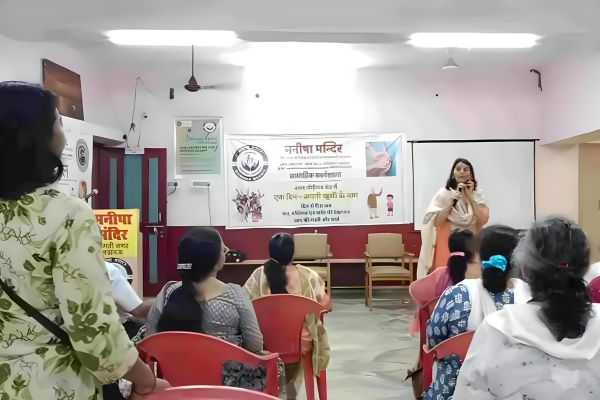
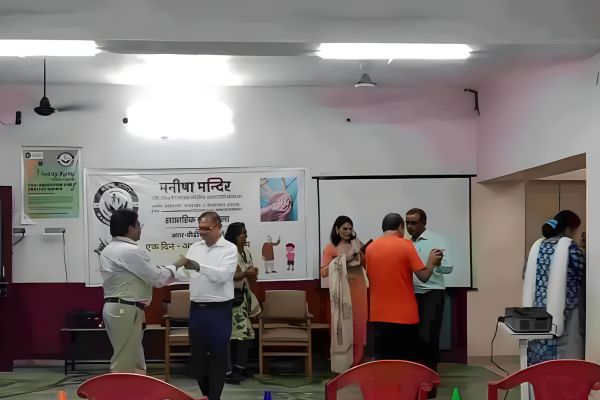
Moments That Matter
Inspiring Growth Through Care and Learning